
If you live with a dog, you’ve probably eaten more than one dinner under very intense staring.
The big question is always:
“Can I give them a little bit of this… or is that dangerous?”
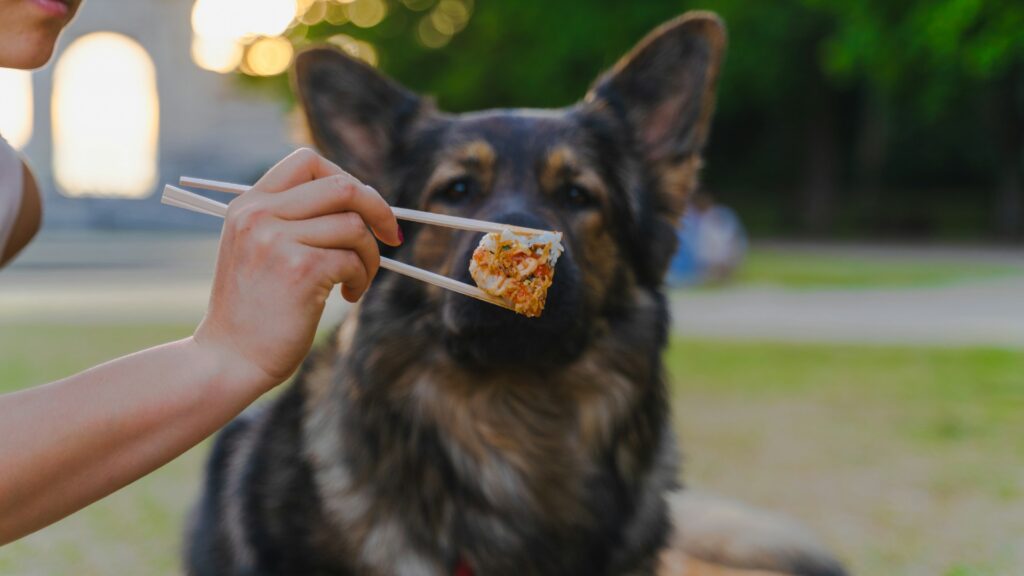
Some human foods are totally fine in small amounts. Others can cause digestive upset, long-term health issues, or even be life-threatening. The tricky part is knowing which is which.
This guide breaks it down clearly so you can include your dog in family mealtimes without turning it into a late-night emergency vet visit.
This article is for general information only and isn’t a substitute for your vet’s advice. When in doubt, ask your vet before feeding something new.
The “golden rules” before sharing your food
Before we talk about specific foods, a few simple rules make things much safer:
1. Think “tiny taste”, not portion
Even safe foods can cause trouble if a dog eats a lot at once.
For most human foods, a few small bites is plenty.
2. Plain is best
Your dog doesn’t need:
- Garlic
- Onion
- Extra salt
- Sugar
- Heavy oils or spicy seasonings
If it’s covered in sauce, butter or spices, it’s usually not a good dog snack.
3. Treats = max 10% of daily calories
The other 90% should come from a complete, balanced dog food. Otherwise your dog can miss key nutrients or gain weight over time.
4. One new thing at a time
If you introduce several new foods on the same day and your dog gets an upset stomach, you won’t know what caused it.
5. When in doubt, skip it
If you’re not sure something is safe, it’s easier to say no and give a dog-safe alternative instead.
Human foods that are usually safe for dogs (in moderation)
These foods are generally safe for healthy adult dogs in small amounts, as part of an otherwise balanced diet. If your dog has allergies or health issues, check with your vet first.
Lean meats
Good options:
- Plain cooked chicken
- Plain cooked turkey
- Plain cooked lean beef or pork
Important rules:
- No bones
- No skin (less fat)
- No seasoning, marinades, sauces or breading
These can make great training rewards or special toppers on regular food.
Dog-safe fruits
Fruits should always be given in small amounts because of the natural sugar content.
Safer choices:
- Apple slices – no seeds, no core
- Blueberries – many dogs love them
- Banana slices
- Watermelon chunks – seedless, no rind
- Strawberries – occasional treat
Avoid canned fruits in syrup and fruit desserts with added sugar or sweeteners.
Dog-safe vegetables
Veggies can be a good low-calorie crunch:
- Carrot sticks or coins
- Green beans (raw or lightly steamed, no butter/salt)
- Cucumber slices
- Plain cooked sweet potato or pumpkin
These can be great for dogs who need to watch their weight, as long as you keep portions reasonable.
Plain carbs in small amounts
Carbs are not essential in big amounts, but small portions can be okay:
- Plain cooked white rice
- Plain pasta
- Plain oats
Sometimes these are used in bland diets under vet guidance. On their own, they don’t replace a complete dog food.
Human foods that are dangerous or risky for dogs
These are the ones you really want to keep off your dog’s menu.
Chocolate
Most people know this one, but it’s worth repeating.
- The darker the chocolate, the more dangerous it is.
- It can affect the heart and nervous system.
- Even small amounts can be serious for small dogs.
If your dog eats chocolate, call your vet or an emergency poison line right away.
Grapes and raisins
This one often surprises people.
- Even small amounts of grapes or raisins can cause sudden kidney failure in some dogs.
- There is no known “safe” amount.
Treat them as toxic and keep them completely off-limits.
Onions, garlic and related foods
This includes:
- Onions
- Garlic
- Leeks
- Chives
- Onion/garlic powders and mixes
In large enough amounts, they can damage red blood cells and cause anemia. Many soups, sauces and gravies contain onion or garlic, so those leftovers are usually not dog-friendly.
Xylitol (in sugar-free products)
Xylitol is a sweetener found in some:
- Sugar-free gum and mints
- “Diet” or sugar-free candies and baked goods
- Some peanut butters
- Certain syrups or spreads
In dogs, xylitol can cause:
- A sudden, dangerous drop in blood sugar
- Seizures
- Liver failure
Always read ingredient labels before sharing anything sweet or “sugar-free”.
Alcohol and raw dough
- Alcohol is dangerous even in small amounts.
- Unbaked yeast dough can expand in the stomach and produce alcohol.
No beer, wine, cocktails or rising dough for dogs — ever.
Very fatty or salty foods
Things like:
- Greasy leftovers
- Fat trimmings
- Fried foods
- Very salty snacks (chips, cured meats, etc.)
These can cause:
- Vomiting and diarrhea
- Pancreatitis (a painful, serious condition)
- Weight gain and long-term health issues if fed often
How much is too much? Portion and frequency
A simple way to think about it:
- Dog food = meals
- Human food = tiny extras
Tips:
- Cut snacks into small pieces (pea-sized for small dogs, thumbnail-sized for larger dogs).
- Keep human food treats as occasional rewards, not daily habits.
- If your dog gains weight, reduce treats or slightly reduce meal portions with your vet’s guidance.
What to do if your dog eats something dangerous
If you think your dog ate something toxic:
- Stay calm but act quickly.
- Try to figure out what they ate, how much, and when.
- Call your vet or an emergency poison hotline immediately.
Don’t wait for symptoms to appear and don’t try home remedies without professional advice.
Better ways to include your dog at mealtimes
You can still make your dog feel included without feeding from your plate.
Ideas:
- Prepare a small dog-safe plate:
- A little plain cooked meat
- A spoon of plain sweet potato
- A piece of carrot or apple (no seeds)
- Serve it in their bowl or on a lick mat when you sit down to eat.
- Use food puzzles or a stuffed Kong to keep them busy during family meals.
This lets them join the routine without encouraging constant begging.
FAQ: Can Dogs Eat Human Food?
Q: Is it okay to give leftovers every night?
Not every night. Leftovers can add too much fat, salt and calories. A small taste of something plain now and then is fine, but daily sharing can slowly affect your dog’s health and weight.
Q: My dog ate a small piece of chocolate—what now?
Call your vet, an emergency clinic, or a poison hotline right away, especially if it was dark chocolate or baking chocolate. Time matters with chocolate ingestion.
Q: Are fruits like berries and bananas safe?
In moderation, yes. Blueberries, banana and apple (without seeds) are common dog-safe fruits. Just keep the portions small and occasional because of the sugar.