
There’s nothing like the sound of your dog scratching at 2 a.m. to make you question all your life choices. You tell them to stop, they pause, look guilty… and then start again.
Occasional scratching is normal. But constant itching, licking and chewing is your dog’s way of saying, “Something isn’t right.”
Itching isn’t a diagnosis by itself—it’s a symptom. It can come from parasites, allergies, infections, dry skin, stress and more. The goal of this article is to help you narrow things down, try safe steps at home, and know when it’s time to get veterinary help.

1. When is itching “normal” and when is it too much?
Some scratching is totally normal:
-
After waking up
-
After a bit of rough play
-
Occasionally during the day
But itching becomes a problem when:
-
Your dog scratches, licks or chews several times an hour
-
It wakes them—or you—up at night
-
You see red, irritated skin, scabs or hair loss
-
They won’t leave one spot alone (like paws, belly, ears or base of tail)
If the itching is constant or clearly bothering your dog, it’s no longer “just a quirk”. It’s a comfort and health issue.
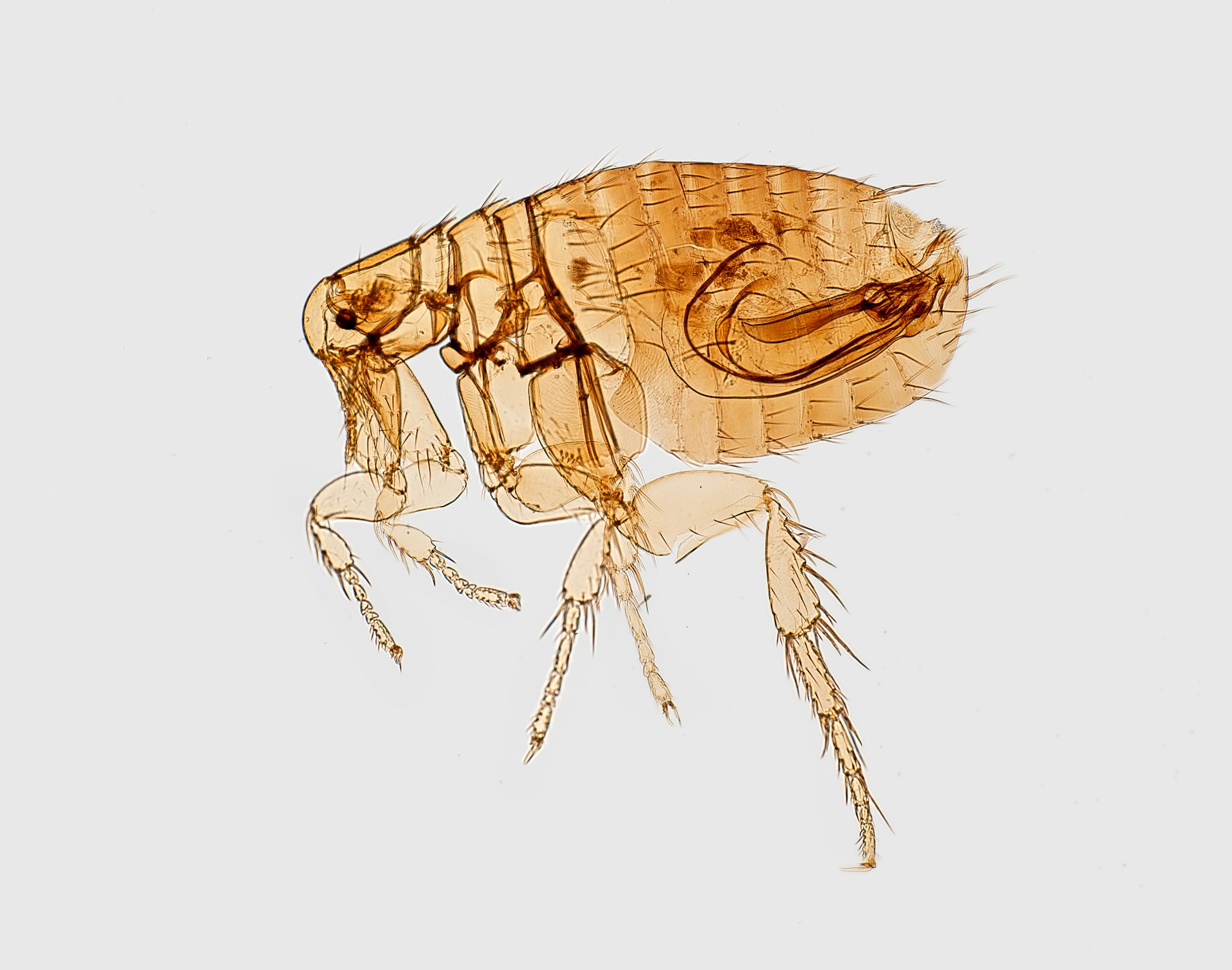
2. Fleas and parasites: the first thing to rule out
Even if you never see a flea, they can still be the cause.
-
Dogs with flea allergies can react to a single flea bite.
-
Common signs:
-
Intense itching around the base of the tail and lower back
-
Tiny scabs or “flea dirt” (little black specks)
-
Restless scratching and biting at the back end
-
What you can do:
-
Check with a flea comb over the back and tail.
-
Talk to your vet about a proper flea treatment (not just random sprays or shampoos).
-
Treat the environment (bedding, vacuuming carpets, washing blankets).
Even indoor dogs can get fleas, especially if there are other pets or wildlife in the area.
3. Environmental allergies (pollen, dust, grass)
If your dog itches more during certain seasons or after walks, environmental allergies could be the culprit.
Typical signs:
-
Licking or chewing paws (often red or stained)
-
Itchy ears or repeated ear infections
-
Itching on belly, armpits, groin or around eyes
-
Symptoms that come and go with weather or seasons
What helps:
-
Wiping paws and belly with a damp cloth or pet wipe after walks
-
Regular gentle baths with a vet-recommended shampoo
-
Washing bedding frequently
-
In some cases, your vet may suggest allergy meds or special treatments
Allergies often don’t “cure,” but they can usually be managed so your dog is comfortable.
4. Food allergies and sensitivities
Food allergies are less common than people think, but they do happen.
Clues that food might be involved:
-
Itching happens year-round, not just seasonally
-
Chronic problems: ear infections, paw licking, face rubbing, upset stomach
-
No obvious link to grass, pollen, or flea issues
Never just randomly cut out foods on your own. Instead:
-
Talk to your vet about a proper elimination diet, usually using a special protein or hydrolyzed diet for 6–8 weeks.
-
Don’t feed table scraps, treats or flavoured chews during the trial.
If symptoms improve on the special diet and return when old food is reintroduced, food allergies are likely part of the puzzle.

5. Dry skin, weather and grooming issues
Sometimes the cause is simpler:
-
Dry winter air can dry out skin (just like ours)
-
Over-bathing with harsh shampoos strips natural oils
-
Not rinsing shampoo thoroughly can leave residue that irritates
-
Matted fur traps moisture and causes skin issues
What you can try at home:
-
Use a mild, dog-safe moisturizing shampoo as recommended by your vet
-
Avoid very hot water in baths
-
Brush regularly—especially for double-coated or long-haired breeds
-
Run a humidifier in very dry homes if your vet thinks it may help
If you see open sores, strong odour, or your dog seems painful—skip the home fixes and go straight to the vet.
6. Stress, boredom and compulsive licking
Itching isn’t always just physical.
Some dogs lick or chew one area out of stress or habit, especially paws or legs. Over time, this can cause “lick granulomas”—thickened, irritated patches of skin.
Ask yourself:
-
Has anything changed at home? (New baby, schedule, renovation, move)
-
Is your dog getting less exercise or mental stimulation?
-
Do they seem restless or anxious?
What can help:
-
More predictable routines
-
Enrichment: food puzzles, training games, sniff walks
-
Giving them a “job”: simple tricks, scent games, or structured play
-
In some cases, working with a behaviourist or vet for anxiety support
Even if stress is involved, always rule out medical causes first.
7. What you can safely try at home (and what to avoid)
You can try:
-
Paw and belly wiping after walks
-
A vet-approved gentle shampoo
-
Improving grooming routine and brushing
-
Using an Elizabethan collar (cone) short term to stop self-injury until you see your vet
Avoid:
-
Giving human allergy meds without vet guidance
-
Using random home remedies from social media
-
Applying essential oils (many are unsafe for pets)
-
Steroid creams meant for humans
If itching is intense, wakes your dog at night, or you see sores or infection, don’t delay a vet visit.
8. When itching needs a vet visit
Call your vet if:
-
Itching is constant or getting worse
-
There’s hair loss, sores, scabs, or strong odour
-
Your dog is chewing themselves raw
-
There are other symptoms: lethargy, appetite changes, vomiting or diarrhea
Your vet can check for parasites, infections, allergies and other causes, then build a plan—often a mix of medication, skincare and lifestyle changes—to keep your dog more comfortable long term.