
Walks are one of the best parts of a dog’s day. The gear you choose—harness or collar—can make those walks more comfortable, safer, and easier to manage.
Some people swear by collars. Others say you should always use a harness. The truth is more nuanced: the right choice depends on your dog and how they walk.
Let’s break it down in a practical, non-judgy way so you can make the best decision for your dog.
What is a collar actually good for?
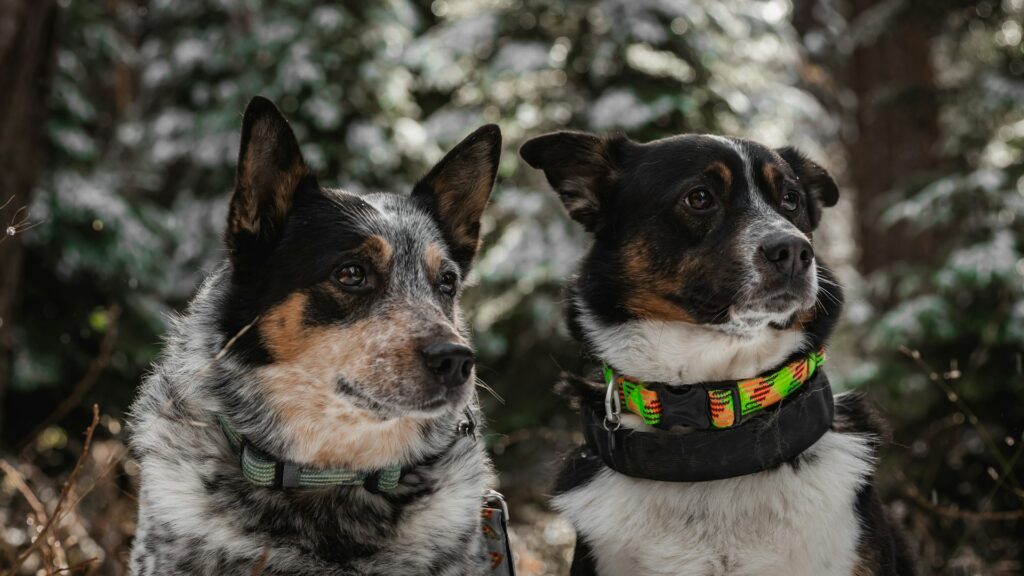
A simple flat collar is still useful, even in a harness-first world:
- Holds ID tags and rabies tags
- Provides a place to clip a light or tracker
- Works fine for calm, trained dogs who don’t pull
For some dogs, a collar is perfectly safe for everyday use—especially if:
- They walk politely on leash
- They don’t lunge at people, dogs, or squirrels
- They don’t have breathing or neck issues
However, for dogs that pull or have specific health concerns, a collar may not be the best main walking tool.
Why many dogs do better in a harness
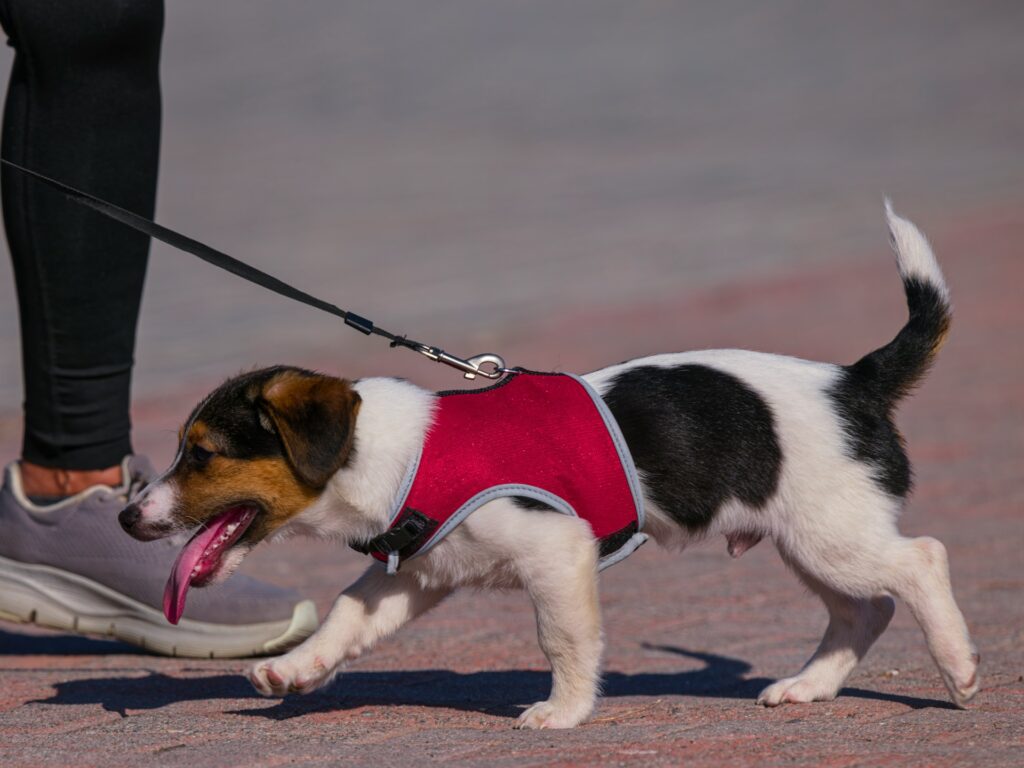
A harness shifts pressure away from a dog’s neck and throat onto the chest and shoulders.
Harnesses are especially helpful for:
- Dogs who pull or lunge
- Short-nosed breeds (like Pugs, Bulldogs, Frenchies)
- Small breeds with delicate necks
- Dogs with trachea or breathing issues
- Puppies learning to walk on leash
Benefits:
- Reduces the risk of neck strain and throat irritation
- Gives you more control without relying on harsh corrections
- Often makes walks more comfortable, especially on longer outings
Front-clip vs back-clip harnesses
Not all harnesses behave the same way.
Back-clip harness:
- Leash attaches on the dog’s back
- Comfortable and simple
- Good for dogs that already walk nicely
- Some strong pullers can lean into it like a sled dog
Front-clip harness:
- Leash attaches on the dog’s chest
- Can gently turn the dog back toward you when they pull
- Helpful for dogs who like to drag you forward
- Works best when combined with loose-leash training, not just “gear only”
For many pet dogs, a front-clip harness is a great starting point for better leash manners.
Can you use both a harness and a collar?
Yes—and in many cases, that’s ideal.
A simple setup:
- Collar for ID tags and microchip backup
- Harness as the main attachment point for the leash
This way, your dog has ID on them at all times, and you still protect their neck during walks.
What about special collars like martingales or head halters?
- Martingale collars
- Designed to prevent some dogs (especially narrow-headed breeds like Greyhounds) from slipping out
- Should be fitted and used carefully so they don’t tighten too much
- Head halters (like Gentle Leader or Halti)
- Offer a lot of control for large, strong dogs
- Need slow, positive introduction so your dog feels comfortable
- Must be used gently to avoid jerking the neck
None of these replace actual training. They’re tools that can help while you teach better leash skills.
Fit matters more than the label
Whether you choose a harness or a collar, fit is everything.
For collars:
- You should be able to slide two fingers under the collar
- It shouldn’t slide over the dog’s head
- It shouldn’t dig into the neck when they move or lie down
For harnesses:
- Straps shouldn’t rub behind the legs or in the armpits
- The chest strap shouldn’t sit tight against the throat
- Your dog should be able to move their shoulders freely
Watch how your dog walks, runs, and lies down while wearing it. Any rubbing, limping or weird posture is a sign to adjust or try a different style.
FAQ: Harness vs Collar
Q: Should puppies start on a harness or collar?
Many puppies do best learning leash skills on a soft harness, especially while they’re still figuring out how not to pull. A collar is still useful for ID and everyday wear.
Q: Can I leave a harness on all day?
Some dogs can wear a harness comfortably indoors, but many owners prefer to take it off at home to let the skin and fur breathe. Check for any signs of rubbing if you leave it on longer.
Q: Is a harness guaranteed to stop pulling?
No tool can guarantee that. A harness—especially a front-clip style—can give you more control and make pulling less effective, but training is still what teaches your dog to walk on a loose leash.